Breaking barriers: opening research pathways for art therapists
Changemakers
InSight – Winter 2025
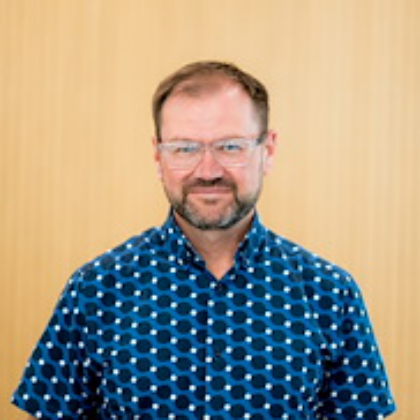
In our new changemakers series, we talk to art therapists who are driving change in the profession. We explore what matters to them, what they’re doing about it, and what they hope for the future.
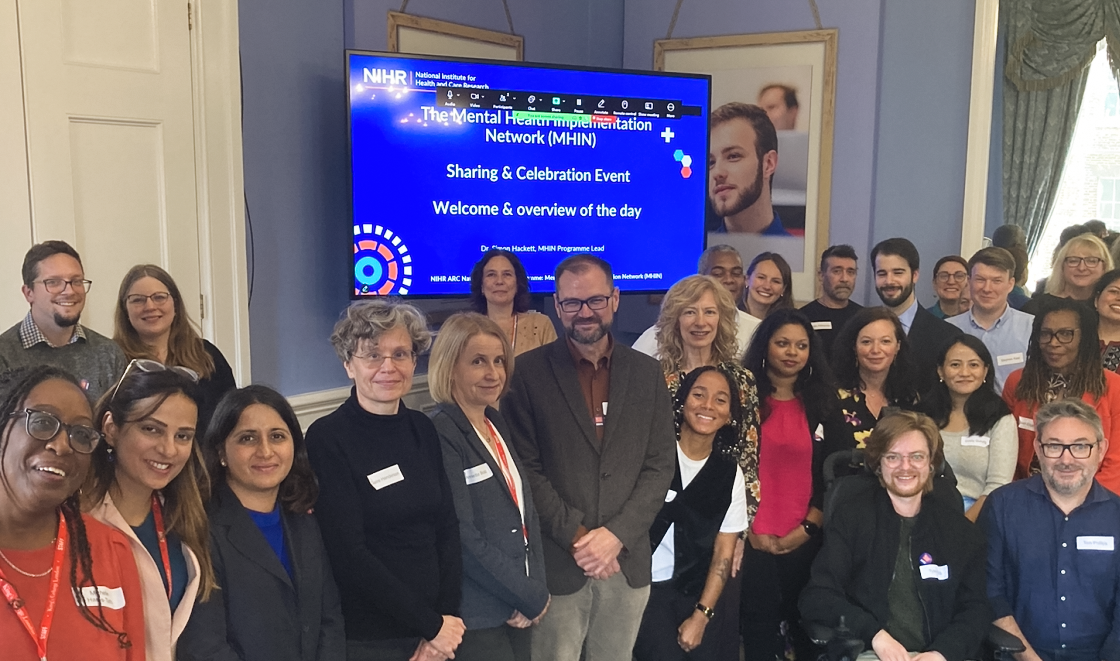
Dr Simon Hackett believes research shouldn’t be locked behind the university door. He is now leading a three-year programme of internships for health and care professionals, including art therapists, to help them step into research and solve ‘real world’ issues that will benefit the people they work with.
We asked him what barriers he’s breaking and what becomes possible when art therapists shape research, not just receive it.
What barrier are you trying to break down?
I’ve been an art therapist for 25 years in the NHS, and I’ve seen how research can feel like something that happens in universities, separate from day-to-day practice. There is a misconception that you need to be pursuing a PhD to engage meaningfully with research. This locks out the very people with the most valuable insights: practitioners working with clients every day.
Doing research can help improve the quality of care. There is now overwhelming evidence that when healthcare staff and services engage in research it improves patient outcomes across the whole organisation. Practitioners involved in research develop valuable skills that have been shown to improve how they work as individuals and within teams, showing tangible benefits to clients.
What drives me is seeing talented art therapists who want to strengthen their practice and explore research but don’t know where to start. The National Institute for Health and Care Research (NIHR) regional internship programmes can be that first step. These programmes enable art therapists’ natural curiosity to expand, helping them explore how research can benefit the clients they work with and make a difference.
What are you doing about it?
The NIHR has given funding to 12 regional internship programmes in England. I am leading one of the regional internship programmes in the North East and North Cumbria, but I would love to see art therapists applying for internships across all of the 12 regions. The internships are for qualified and registered health and care professionals, so art therapists can apply.
There are three pathways available, depending on what art therapists want to achieve:
1. For clinical practice: opportunities to understand research methods, read evidence critically, or evaluate your work. This might include time in university research groups, developing literature search skills or supporting evidence-based practice in your team.
2. For research delivery: placements in NHS research and development departments learning about governance, coordinating studies, recruiting participants, or managing trials. We need more art therapists with this expertise.
3. For clinical academic paths: opportunities to explore doctoral research, develop research design skills, or build foundations for combining academic work with clinical practice.
I’m working with universities, NHS trusts and local authorities to make these opportunities genuinely accessible: flexible timings, placements fitting around clinical work, support recognising where people start from. Applicants can also apply for £10,000 to fund their time and training, to learn more about how to bring research into their practice.
Having supported art therapy apprentices and enabled NHS posts, I understand the practical challenges art therapists face. I want to bring that understanding to how these internships are designed and who they reach.
What becomes possible is research that isn’t something happening to us or without us, but something we’re actively shaping.
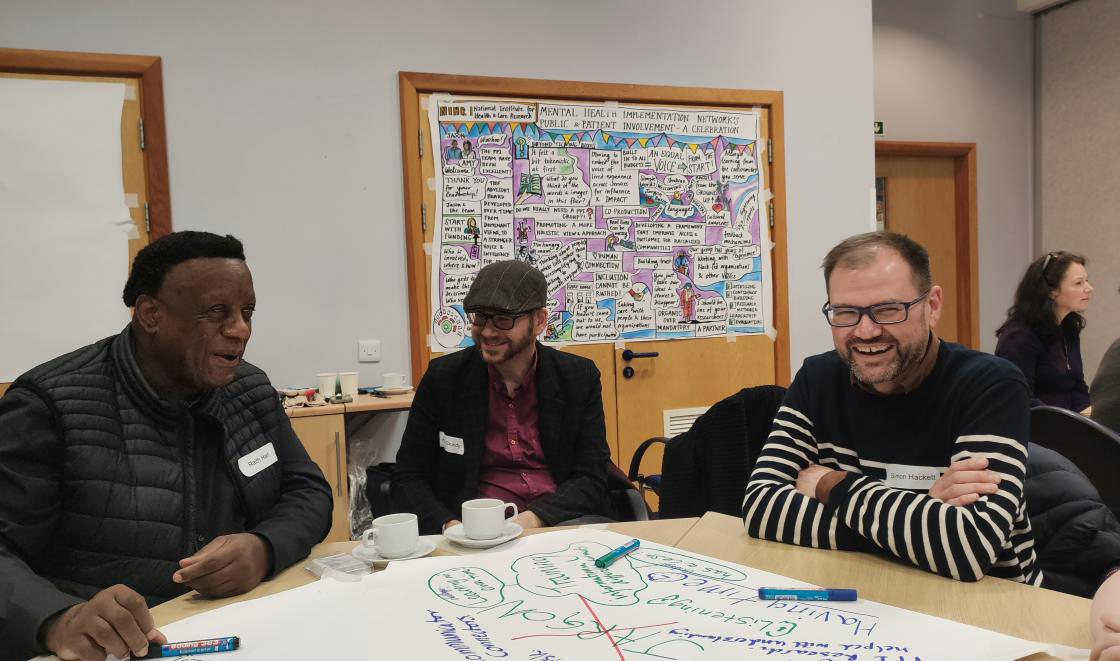
What will change look like?
Art therapists will have confidence and agency. These internships offer skills tailored to your goals, whether you are new to research, want to understand research methods, or design projects. You’ll be able to challenge decisions with evidence, demonstrate impact, and advocate for your service in ways that weren’t possible before.
Networks will strengthen careers. These programmes connect interns with researchers and health professionals, including ongoing mentorship. When art therapists have these networks, opportunities open up, collaborations happen, and people aren’t navigating research alone.
The gap between research and practice will narrow. You’ll see how research leads to better services: how evidence shapes commissioning, how research trials get delivered, how findings influence policy. Art therapists with research understanding become bridge-builders.
What becomes possible is research that isn’t something happening to us or without us, but something we’re actively shaping.
You’ll be able to challenge decisions with evidence, demonstrate impact, and advocate for your service in ways that weren’t possible before.
I hope research delivery becomes a recognised career path. We need art therapists leading and coordinating studies, ensuring our profession is represented in NHS and local authority research infrastructure. These roles should be as valued as clinical or academic positions.
Most importantly, I want to support art therapists to tell a clear, evidence-based story about our profession’s value. That story needs to come from research art therapists have shaped, strengthened by voices of people with lived experience.
This isn’t about turning everyone into researchers. It’s about supporting a profession where research and practice strengthen each other, where art therapists can advocate with evidence, and where we shape the research affecting us. I’m committed to supporting this. Whether you’re curious or ready for significant steps, the NIHR regional research internships are a great place to start.
How to get involved
These internship programmes are currently available in England through 12 regional programmes for qualified and registered staff employed in the NHS, a local authority, or organisation delivering services funded by the department of health and social care. It would be great to see similar schemes developed in Scotland, Wales and Northern Ireland.
You can find contact details for the current regional programmes on the NIHR’s website.