Art therapy meets EMDR
Hot topic
InSight – Summer 2026 | NHS special


Our series of hot topics articles look at the latest developments in the art therapy field. In this article, art psychotherapist Bethan Baëz-Devine and mental health nurse Nicola Ball who work together to combine art therapy with EMDR (Eye Movement Desensitisation and Reprocessing) explain how the process can offer powerful, inclusive therapeutic support for processing traumatic memories.
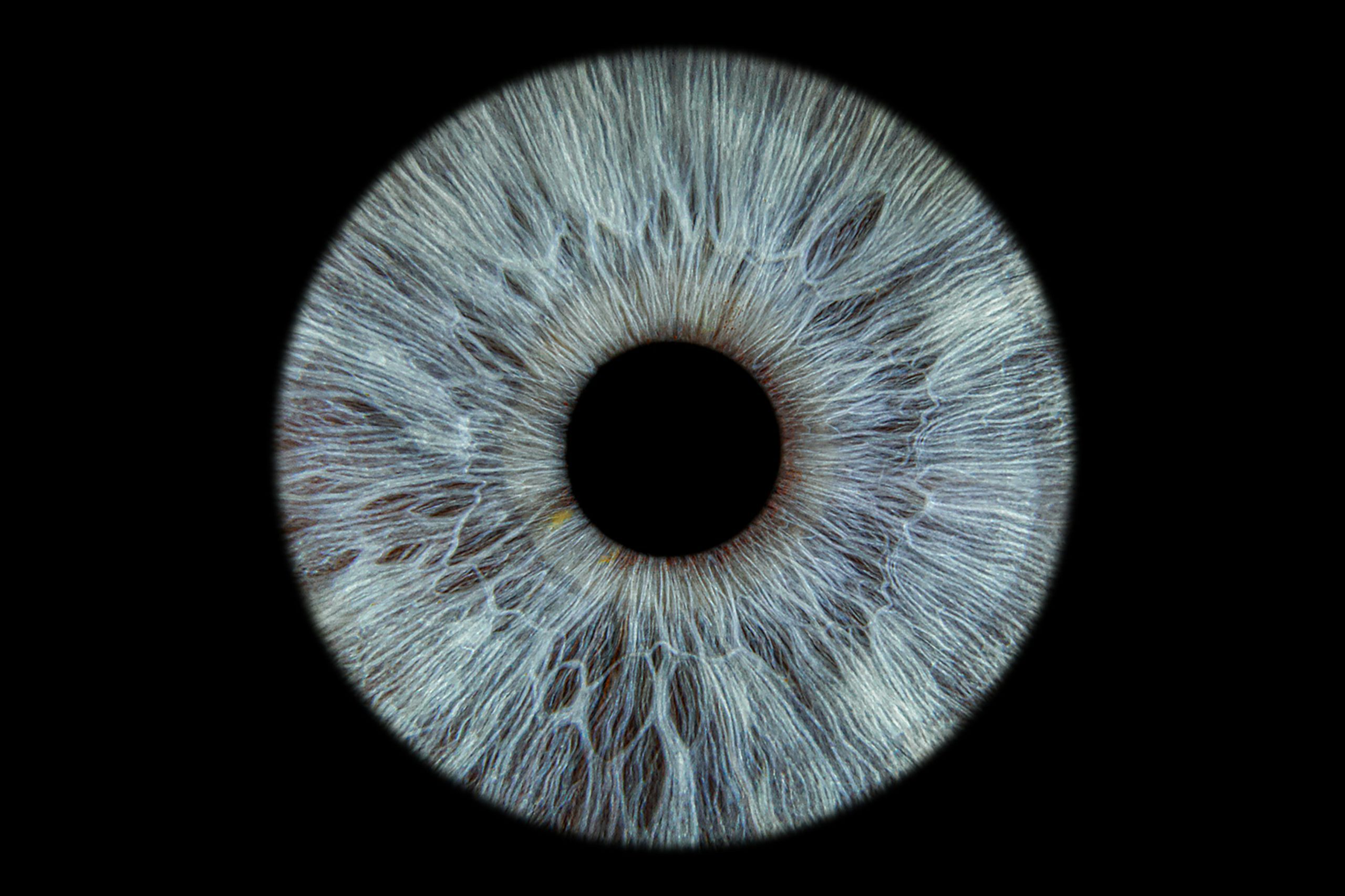
What does EMDR look like when it meets art therapy?
EMDR (Eye Movement Desensitisation and Reprocessing) is a structured, evidence-based therapy originally designed to help people process traumatic memories. It uses bilateral stimulation – such as eye movements or tapping – to activate the brain’s natural healing processes and reduce distress linked to trauma (Shapiro, 2018).
Art therapy, on the other hand, uses creative expression – such as drawing, painting, sculpting – along with verbal communication, as a way for clients to explore feelings, regulate emotions, and communicate experiences that may be hard to put solely into words (Davis et al., 2022).
When EMDR meets art therapy, these two approaches are combined to create a powerful, integrative method for trauma recovery. Art can be used during EMDR’s phases to prepare clients, support processing, and consolidate healing (Sigal & Rob, 2021). For example, clients might draw a ‘safe place’ image for grounding or use bilateral drawing (drawing with both hands) to mirror EMDR’s stimulation. Although clients could technically use these artistic methods on their own, they do not function in the same targeted way unless they are embedded within EMDR’s structured eight‑phase protocol, which ensures the artwork directly supports stabilisation, reprocessing, or integration rather than simply providing general expression or distraction.
This also means that we can use the silent protocol which is a means of processing without words, and therefore allows clients to reprocess traumatic information, enabling change without disclosing content. This approach is particularly effective for individuals facing guilt, shame, cultural or language barriers, stammers, or confidentiality concerns. This has been successfully used by Trauma Aid UK with hard-to-reach populations such as genocide survivors in Bosnia and Syrian refugees.
Together, EMDR and art therapy can offer a holistic approach that addresses both the neurobiological and emotional aspects of trauma, while empowering clients through creativity and choice.
Why is integrating EMDR and art therapy relevant today?
Trauma-related mental health concerns, including post-traumatic stress disorder (PTSD), remain prevalent across all age groups. NICE guidelines and international recommendations strongly endorse EMDR as an evidence-based treatment for PTSD in both adults and children (NICE, 2018; ISTSS, 2018).
However, many clients struggle with verbal processing due to shame, cultural barriers, or developmental limitations. Art therapy offers a non-verbal, creative approach that complements EMDR’s structured protocol. It can support regulation in the preparation phase, provide alternative ways to access and express traumatic memory during assessment and reprocessing, and strengthen integration in the installation and closure phases. Art therapy’s sensory and symbolic methods can also bypass verbal barriers, enhance dual attention, and make each phase of EMDR more accessible, tolerable and developmentally attuned (Davis et al., 2022).
In today’s context where mental health services face increasing demand and diverse client needs, integrating EMDR with art therapy provides a holistic, client-centered intervention. This approach can address the neurobiological impact of trauma while leveraging the expressive and regulatory benefits of art (Pagani et al., 2012). It is particularly relevant for clients who struggle to verbalise their internal distress, individuals with complex trauma, and those who find traditional talk therapy overwhelming (Gomez, 2012).
What can EMDR bring to art therapy practice?
Art therapists can engage with EMDR by incorporating creative techniques into its three phases: preparation, processing, and integration (PPI Model, Baëz-Devine & Ball, 2025).
During preparation, clients may create imagery of a ‘safe place’ or resource symbols through art, to strengthen grounding and resilience.
In the processing phase, bilateral drawing mirrors EMDR’s bilateral stimulation, while visual journaling helps track shifts in perception.
Integration often involves transforming and rescripting trauma-related images into empowered narratives through collage or sculpture (Sigal & Rob, 2021).
Art therapists bring unique skills in sensory regulation, symbolic expression, and creative resourcing – elements that can enhance EMDR’s effectiveness. These contributions offer other professionals insights into how non-verbal modalities can deepen trauma processing, support affect regulation, and foster meaning-making beyond verbal dialogue (Davis et al., 2022).
You are more capable than you realise, and you deserve a world where you get back the same energy you give out.
Service user
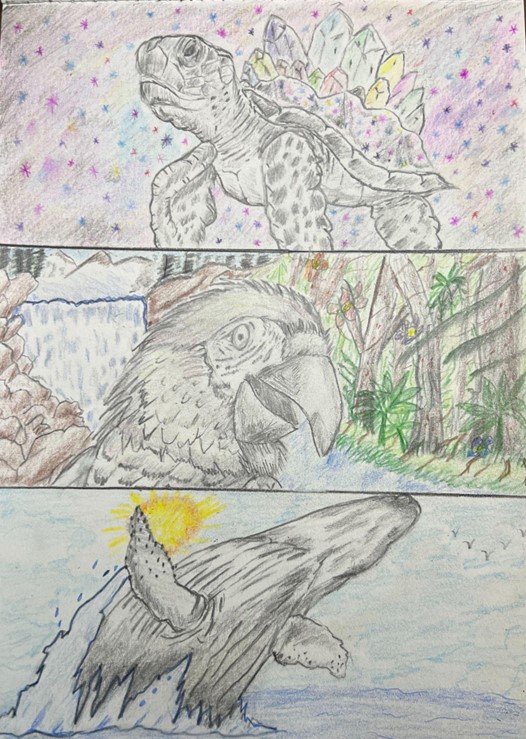
How this approach can help
Combining EMDR with art therapy creates a powerful synergy for trauma recovery. EMDR facilitates adaptive information processing, reducing emotional distress and installing positive cognitions (Shapiro, 2018). Art therapy amplifies this by externalising internal experiences, making abstract concepts tangible and accessible. For clients who struggle to articulate trauma verbally, art provides a safe, expressive outlet that supports engagement and continuity in therapy (Gomez, 2012).
Outcomes include enhanced integration of emotionally salient memories and associated shifts in neural processing (Pagani et al., 2012; Stickgold, 2002), alongside evidence from broader trauma research demonstrating improved emotional regulation and reduced PTSD symptoms (van der Kolk et al., 2007).
Benefits for service users include increased sense of control, empowerment through creative expression, and a more tolerable therapeutic process. One service user has described how the experience of EMDR and art therapy helped when other means of support hadn’t been able to:
My experience has taught me that often support isn’t designed for me because of the way I think. I had accepted that elements of my trauma would never be processed because despite past attempts, I cannot verbalise it. Today was the first day that I realised that there were other options; that there is support that works for me – and that maybe there is hope.
Service user
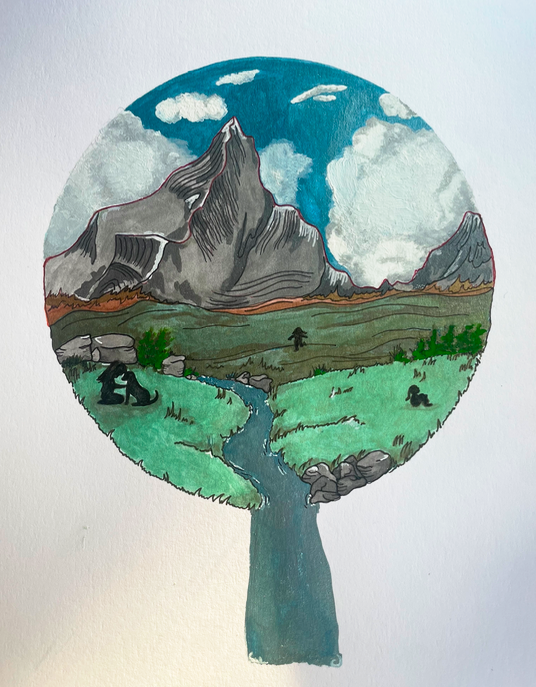
Children and adults alike can engage in imaginative, resource-building activities that feel less clinical and more supportive. By using art-making, traumatic experiences can be externalised, rather than continuing an internalised trauma. This approach also respects cultural and developmental differences, offering flexibility and inclusivity in trauma care.
Ultimately, EMDR and art therapy together can provide a comprehensive pathway to healing that honours both the science of trauma processing and the art and emotional experience of human expression.
Learn more about EMDR and art therapy
You might be interested in...
Art therapy and mentalisation
Learn moreTherapeutic life story work in art therapy
Learn moreNeurodiversity and art therapy
Learn moreReferences
- Davis, E., et al. (2022). EMDR and Creative Arts Therapies. Taylor & Francis Group.
- Gomez, A. (2012). EMDR Therapy and Adjunct Approaches with Children: Complex Trauma, Attachment, and Dissociation. Springer Publishing.
- (2018). Post-traumatic stress disorder: NICE guideline [NG116]. National Institute for Health and Care Excellence.
- Pagani, M., et al. (2012). Neurobiological mechanisms of EMDR. Journal of EMDR Practice and Research, 6(1), 1–12.
- Shapiro, F. (2018). Eye Movement Desensitization and Reprocessing (EMDR) Therapy: Basic Principles, Protocols, and Procedures (3rd ed.). Guilford Press.
- Sigal, N., & Rob. (2021). Dual perspectives on art therapy and EMDR for the treatment of complex childhood trauma. International Journal of Art Therapy, 26(1-2), 37–46.
- Stickgold, R. (2002). EMDR and REM sleep: Implications for memory processing. Journal of Clinical Psychology, 58(8), 983–991.
- (2018). PTSD Prevention and Treatment Guidelines. International Society for Traumatic Stress Studies.
- van der Kolk, B. A., Spinazzola, J., Blaustein, M. E., Hopper, J. W., Hopper, E. K., Korn, D. L., & Simpson, W. B. (2007). A randomized clinical trial of eye movement desensitization and reprocessing (EMDR), fluoxetine, and pill placebo in the treatment of posttraumatic stress disorder. Journal of Clinical Psychiatry, 68(1), 37–46.
- Baëz-Devine, B., & Ball, N. (2025). EMDR meets Art Therapy: PPI Model. Training materials