Working as an art therapist in an NHS community rehabilitation team
Spotlight
InSight – Summer 2026 | NHS special

Spotlight is our regular series dedicated to shedding light on the roles of art therapists within different contexts.
In this article, Jack Carberry-Todd tells us about his work in an NHS community mental health rehabilitation team.
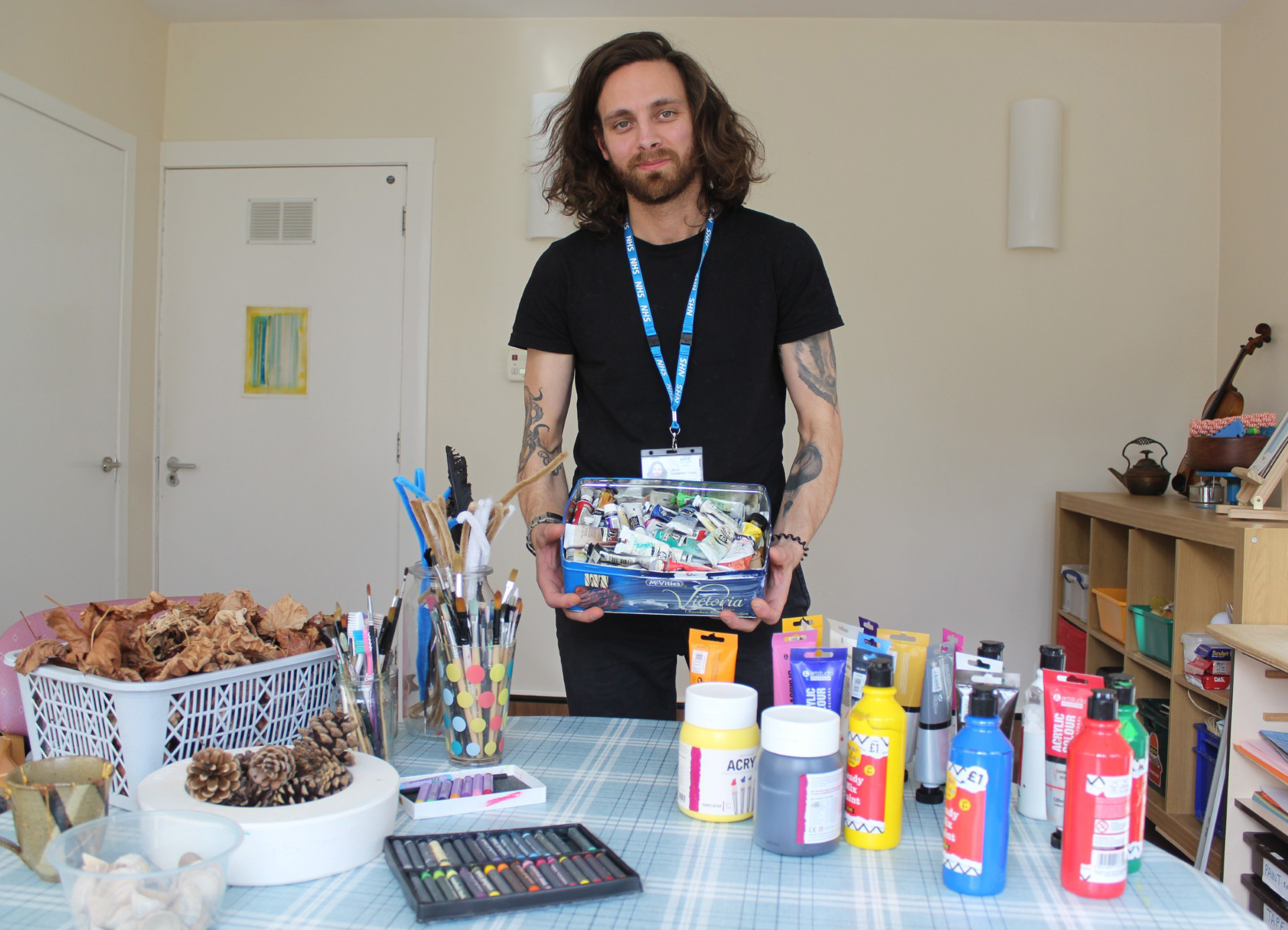
Who I am
I studied art psychotherapy at Queen Margaret University (QMU) Edinburgh, graduating in 2024. My background in painting drove my desire to understand how visual mediums impact the mind. I wanted to move beyond my own practice to explore how art could help others regulate their mental states and better understand themselves.
Where I work as an art therapist
I work one day a week within a community mental health rehabilitation team (CRT). I sit within an NHS multidisciplinary team alongside community psychiatric nurses, admin staff, social workers, occupational therapists, physiotherapists, support workers and psychiatrists. This position exists thanks to a forward-thinking team lead who saw the value in arts therapies.
Our team works with people between the ages of 18 and 69 who are experiencing severe and enduring mental illnesses such as schizophrenia and bipolar. There are often comorbidities such as complex post-traumatic stress disorder (C-PTSD), substance use, addiction or physical issues.
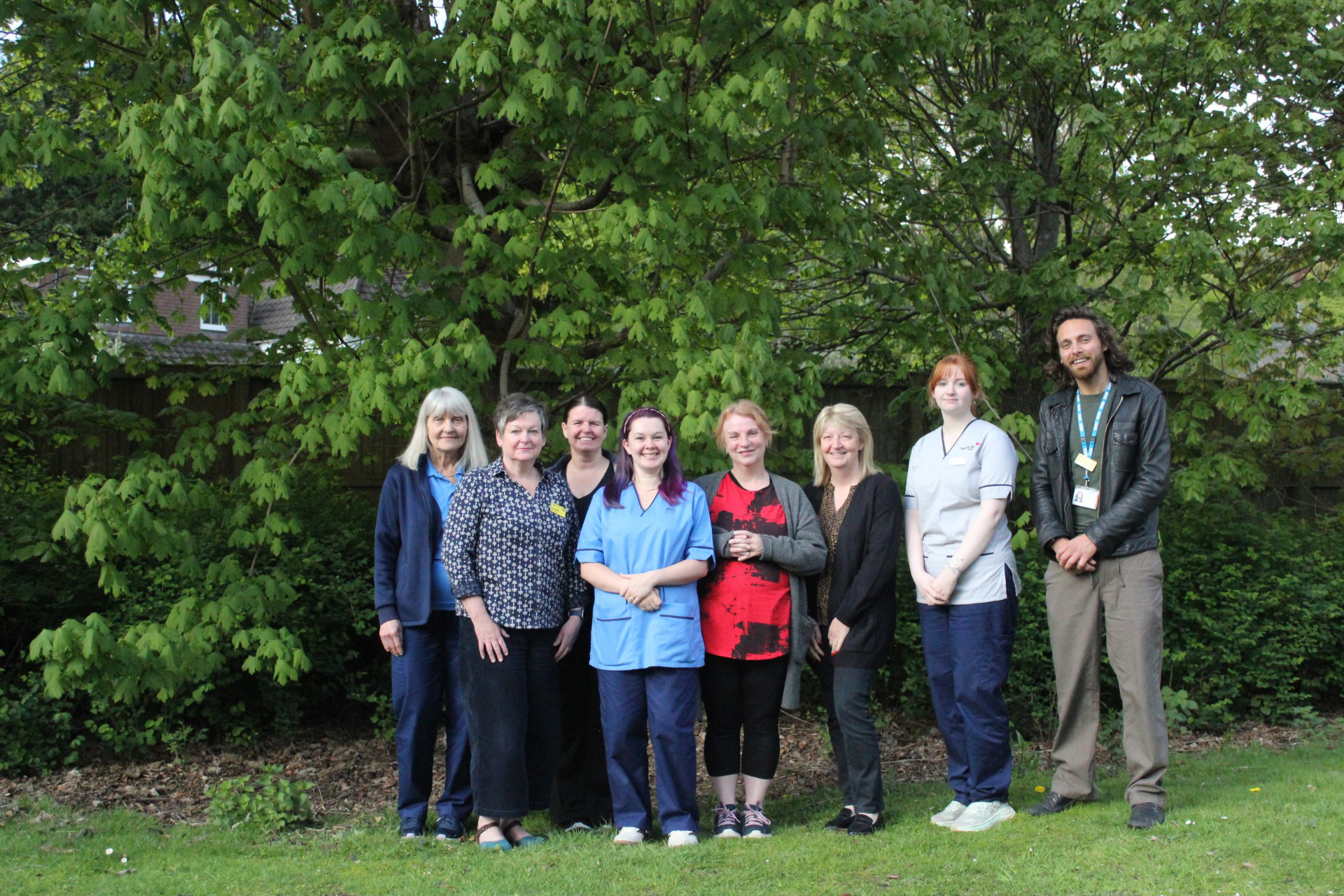
As well as managing our patient’s medication and treatment, different professionals in the team contribute to holistic person-centred care. All working towards the shared aim of supporting people with complex needs to live a life of fulfilment with as much independence as possible.
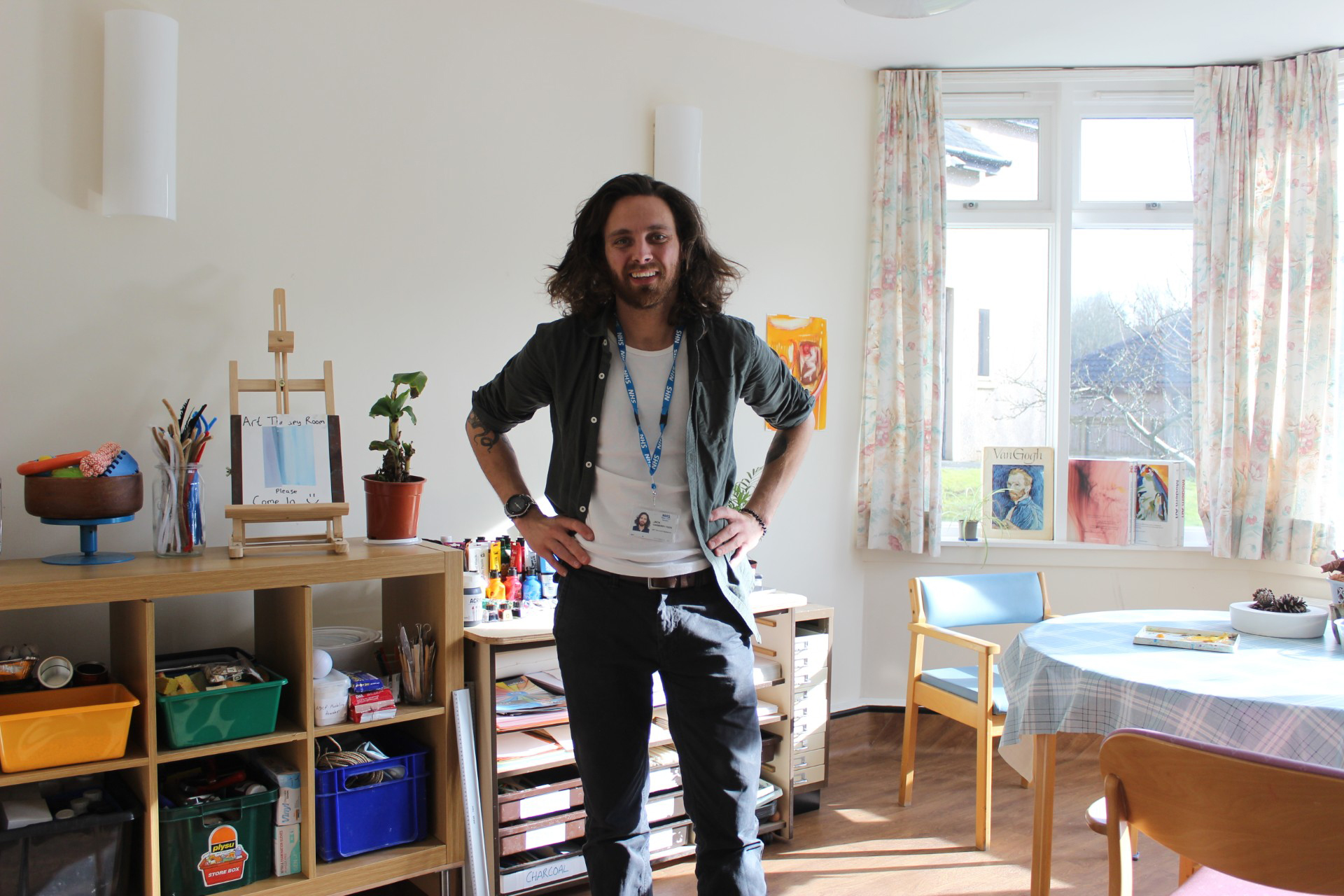
My workspace is crucial; I’ve set up a multi-use room to feel like an art studio rather than a clinical meeting room. I prioritise empty wall space, allowing clients to engage with artwork from a distance and vertically, rather than just flat on a table. For people experiencing psychosis, the physical space in which art is created is sometimes vital to safety and stability. Beyond safety, creating and discussing artwork within a shared physical space helps ground interactions and experiences externally, rather than solely within an internal world, something that can be especially important for people experiencing psychosis.
Getting here
My interest in addiction and perception led to doing one of my master’s training placements at an NHS community rehabilitation team. The placement was successful, and a year after graduating, I applied for the 12-month ‘test of change’ role to trial integrating art therapy into the service and was successful in getting this role.
A typical day at work
My day begins at the shop for coffee and biscuits. While seemingly trivial, sharing a coffee can help ground the session in a relational atmosphere. The rest of the day is packed with 60-to-90-minute individual client sessions, reflective art making in response to sessions, writing clinical notes, and meeting with my clinical supervisor.
The main challenge for our team is working with the extremes of clients’ enduring mental illnesses. Progress may be gradual or difficult to measure in traditional ways, so it is important to remember that, in this context, art therapy is not about ‘fixing’ but about supporting relational health, reducing isolation and creating consistent engagement for people living with enduring mental illness.
What I love about what I do
I love working in the team, they motivate me to do my best work. Being process oriented, I enjoy shaping how art therapy fits into this team. Developing the role has highlighted how creative approaches can increase engagement and provide additional therapeutic pathways within rehabilitation services.
Most importantly, I value the in-depth conversations with clients about their artwork, seeing how the creative process helps them connect with themselves and find motivation. The tiny changes that clients make are what it is all about.
The following feedback from service users shows the meaningful role that art therapy can play in supporting wellbeing, self-expression, and recovery. All quotes have been attained with informed consent and have been approved by the NHS Trust.
I had no art experience, so I thought I would not be able to do anything good. But it was really good and helped me develop my own artistic style. The art side of it was interesting and good, and the other side of it was about talking about life and stuff. It has helped my overall well-being and productivity. It was life changing.
Service user
I find art therapy therapeutic, it is really relaxing and does something to me, it has an effect on me – in a good way.
Service user
I am enjoying art therapy – it is quite helpful and therapeutic.
Service user
How I look after myself in my role
Regular clinical supervision and line management provide an important safety net, ensuring safe and reflective practice. The wider team is also incredibly supportive of this new art therapy role.
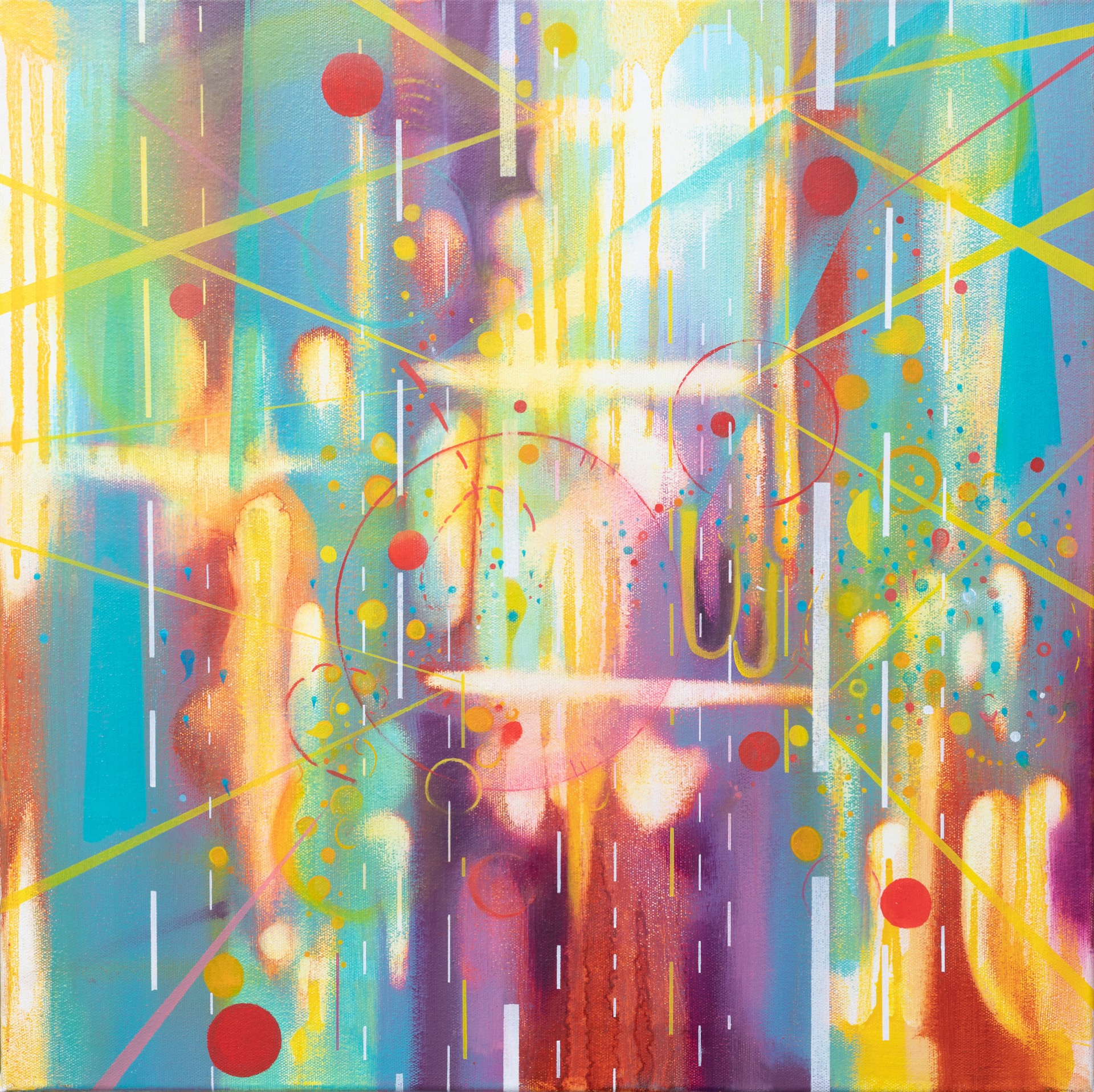
Outside work, time in nature, music and my creative practice help me maintain balance and sustain my wellbeing.
Seeing clients who struggle to engage with most forms of support become motivated to attend, create and connect makes me optimistic about the future of art therapy in this setting.
What I wish I’d known when I started
I wish I had known how vital the physical art therapy space would become. I also had to learn to manage my ’fixer‘ instinct, and that art therapy’s role in a person’s life within this context is to provide creativity and interactive support which can significantly reduce negative symptoms of psychosis.
Working one day a week within a developing service also highlighted the importance of pacing service development realistically and sustainably.
Moving forward
Creating physical works of art and developing skills such as independence and a strengthened sense of self is what makes art therapy a dual-purpose therapy. By offering creative therapies such as art therapy to those who struggle with communicating verbally, we are widening support options. Seeing clients who struggle to engage with most forms of support become motivated to attend, create and connect makes me optimistic about the future of art therapy in this setting.
As a Community Psychiatric Nurse within the team has said: “Art therapy has become a vital pathway for patients who struggle to engage with traditional treatment and live with conditions that are often resistant to standard approaches. It offers a non‑threatening, expressive space where individuals can explore trauma, understand barriers to progress, and connect with their emotions in ways that feel safe and accessible. Through this process, patients begin to build coping strategies, rediscover personal interests, and experience meaningful shifts in their wellbeing, often succeeding where other interventions have stalled.”